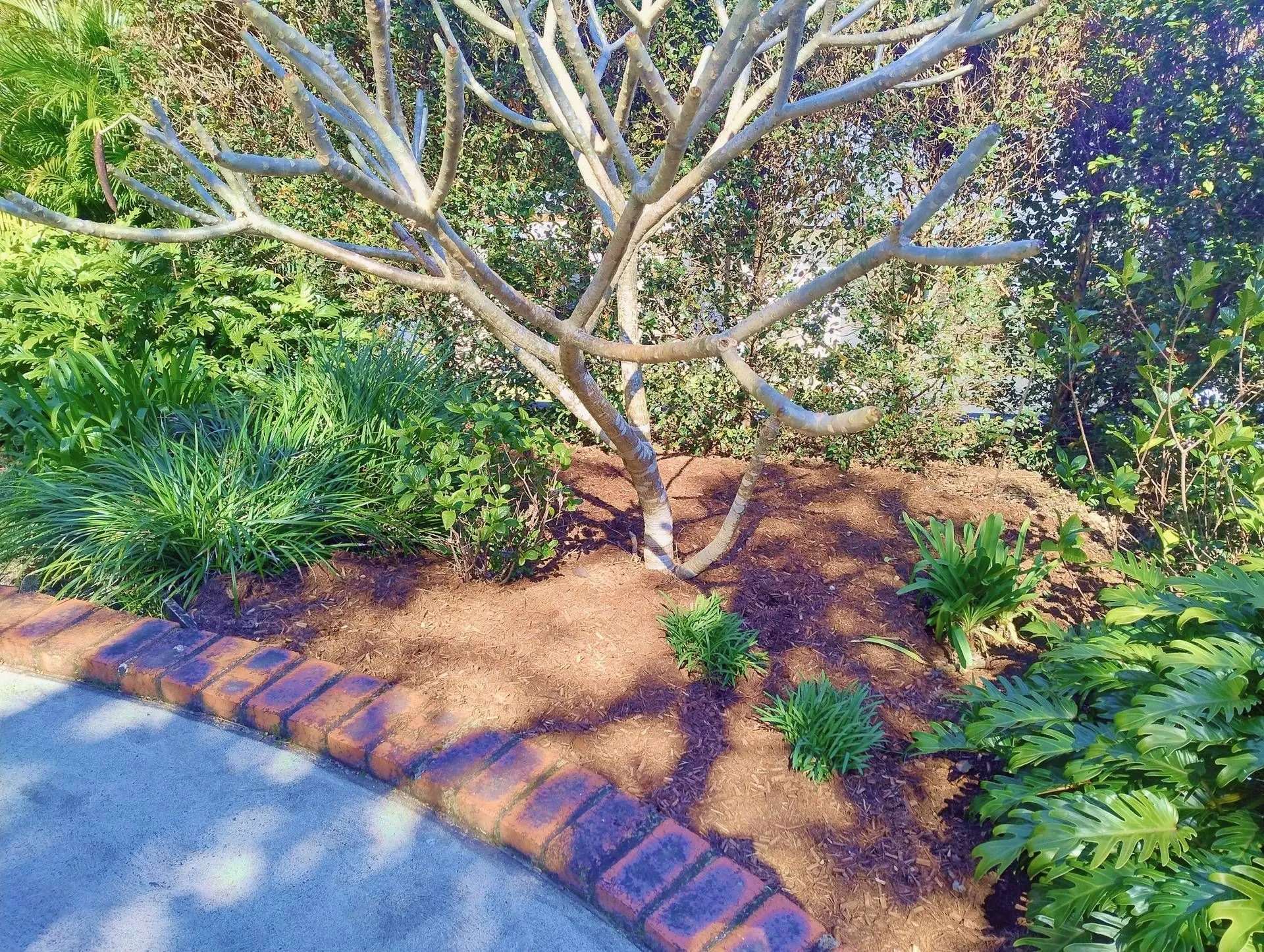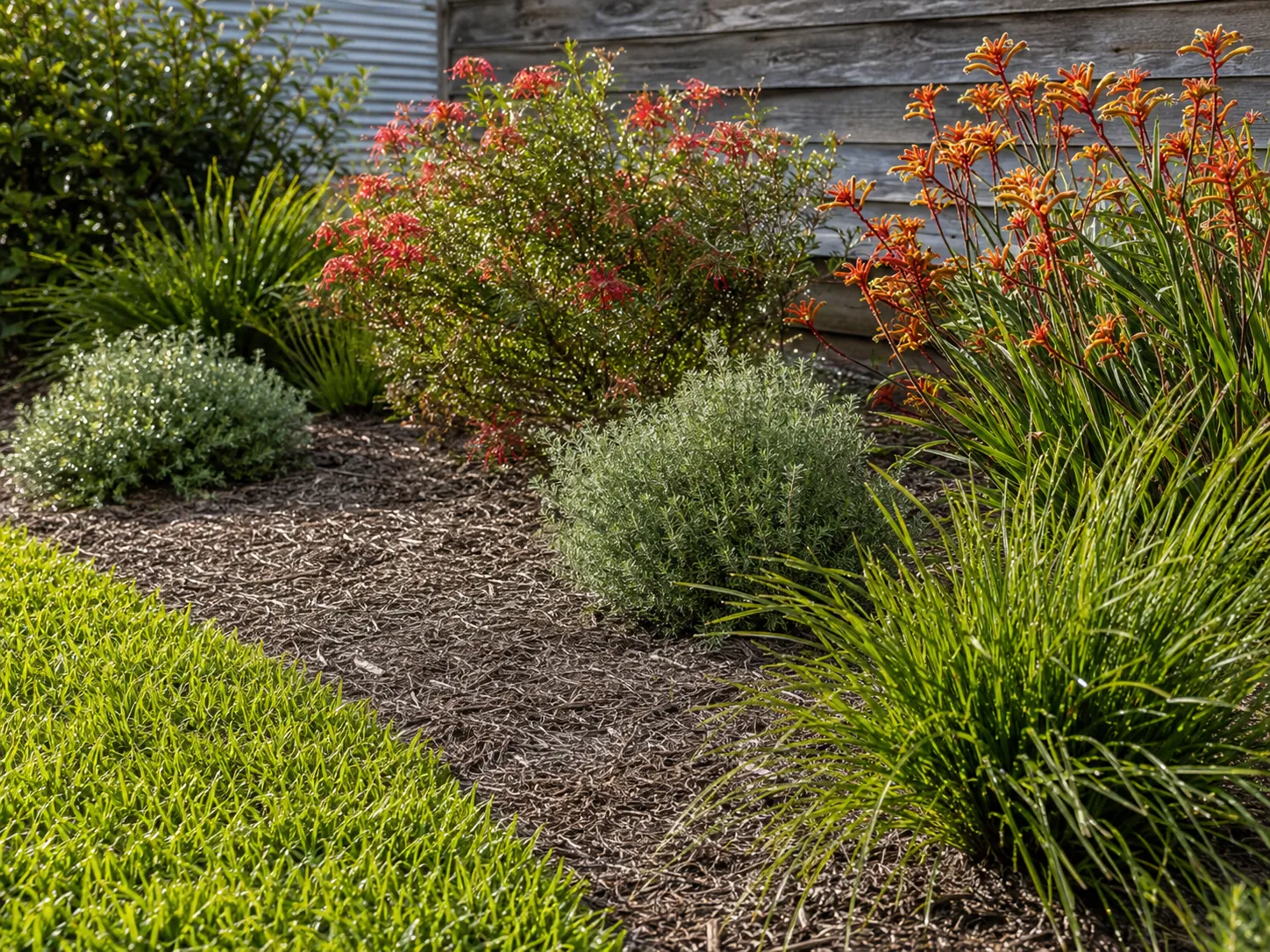
The best mulch for native gardens, from a tea tree farm at Teven
Most native gardens that struggle are killed with kindness. Grevilleas and banksias come from poor soils, so rich compost and fertiliser knock them around. What they want is a plain woody cover, and that's exactly what the tea tree mulch we grow at Teven, near Ballina, gives them.
The best mulch for a native garden is a low nutrient woody mulch like tea tree mulch, laid 75mm deep. Grevilleas, banksias and their relatives hate phosphorus, so a mulch that covers well but feeds little is exactly right. One cubic metre covers 13.3 square metres at 75mm.
Why is low nutrient mulch better for Australian natives?
Grevilleas, banksias, hakeas and waratahs can't stop themselves taking up phosphorus. Rich mulch or standard fertiliser gives them more than they can handle, and they go downhill fast. Tea tree mulch covers the soil without feeding the plant. It holds moisture, blocks weeds and builds the soil slowly as it breaks down.
One feed of mushroom compost, manure or blood and bone can be enough to kill a grevillea, so keep the rich stuff off your native beds.
What is the best mulch for grevilleas and banksias?
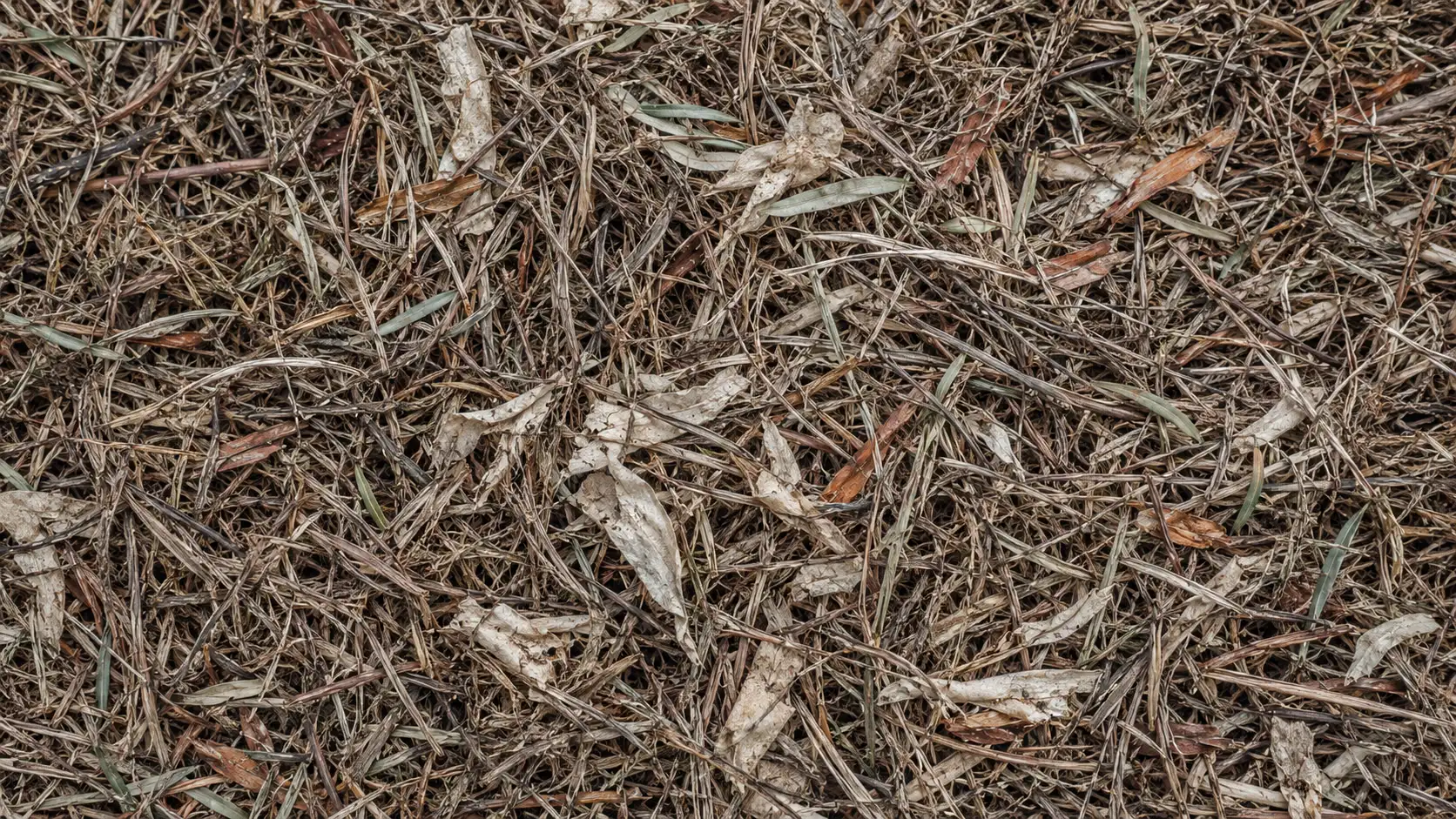
A coarse, low nutrient mulch, and tea tree is our pick. The fine leaf and twig knit into a mat, so weeds can't find a gap of light. It lasts 12 to 18 months, far longer than cane. And it stays put in our heavy Northern Rivers rain, where cane blows off and bark nuggets float away.
How deep should mulch be around native plants?
Lay it 75mm deep, enough to stop weeds while the soil still breathes.
- Weed the bed first, then soak the soil.
- Spread to 75mm right across the bed.
- Keep mulch a hand's width clear of every stem and trunk.
- Water it in so the mat starts knitting together.
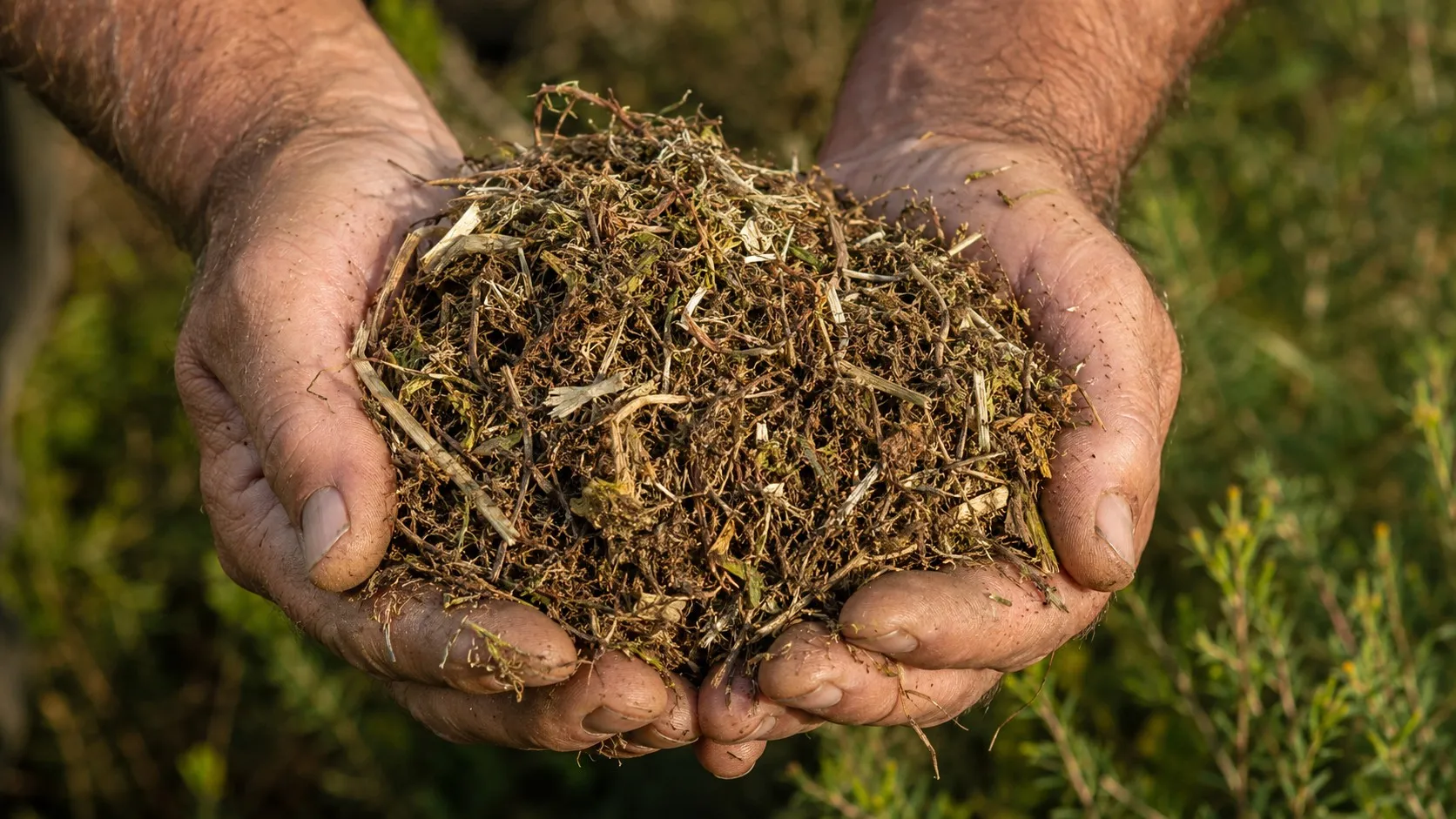
How much tea tree mulch will a native bed need, and what does it cost?
One cubic metre covers 13.3 square metres at 75mm, and it's about 10 barrow loads per cubic metre if you're wheeling it in. Measure your beds, add a little for settling, and call us for a price on 0402 294 776. We deliver farm direct from Teven, seven days.
Related questions
Is tea tree mulch good for grevilleas?
Yes, one of the best. Grevilleas hate phosphorus and tea tree mulch barely carries any. Lay it 75mm deep, keep it clear of the stem, and they'll thrive.
Is sugar cane mulch good for natives in Australia?
It works, but it's the wrong tool. Cane feeds the soil fast, which natives don't want, and it blows off beds in coastal wind. Save it for the veggie patch.
What mulch should you not use around native plants?
Skip mushroom compost, manures, blood and bone and anything blended with fertiliser. The phosphorus can kill grevilleas and banksias. Cheap recycled green waste is a gamble too, since you never know what's in it.
How long does tea tree mulch last on a native bed?
Twelve to eighteen months before it needs a top up. The waxy leaf breaks down slowly, so it far outlasts cane or lucerne. Rake the old layer open before topping up.
When is the best time to mulch a native garden in the Northern Rivers?
Late winter to early spring. The soil is warming, the spring weeds haven't started, and the cover is down before the summer heat and wet. Autumn is the second window.